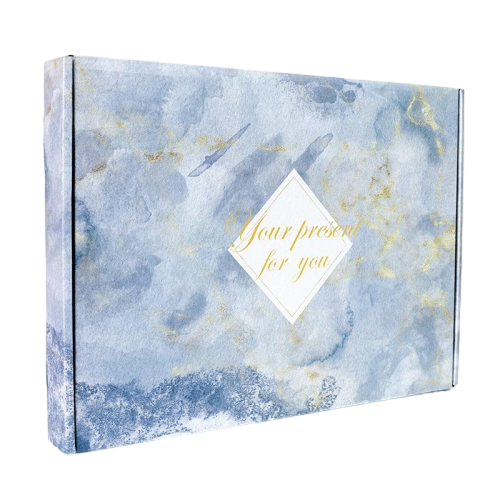

Luxury print finishes have long been associated with elegance and impact. Gleaming foils, rich embossing, high-gloss coatings, and specialty inks have traditionally signaled quality and prestige. At the same time, these embellishments have often been viewed as environmentally problematic. Foil stamping was assumed to contaminate recycling streams, UV coatings were seen as non-degradable, and specialty inks were sometimes linked to harsh chemistry.
The print industry is now actively challenging those assumptions. The conversation has shifted from whether luxury and sustainability can coexist to how they can reinforce one another. Advances in materials, chemistry, equipment, and certification standards are proving that premium finishes can meet sustainability goals without sacrificing visual or tactile impact. Luxury is being redefined through smarter, cleaner, and more responsible finishing choices.
Printers and brands operate in an environment of growing sustainability scrutiny. Consumers expect packaging and printed materials to be recyclable, compostable, or derived from renewable sources. Regulators are reinforcing these expectations with stricter policies around waste, emissions, and material recovery.
In the past, embellishments were often blamed when a printed piece failed recyclability tests. Metallic foils, glossy coatings, and laminated surfaces raised concerns about plastics, heavy metals, and fiber contamination. However, industry research and real-world testing increasingly show that these concerns were often based on outdated assumptions.³
Recent studies demonstrate that many premium finishes do not interfere with recycling or repulping when modern materials are used correctly. As a result, luxury printing is evolving toward a model where premium appearance and environmental responsibility are no longer opposing objectives, but complementary ones.
Foil stamping remains one of the most recognizable symbols of luxury print. The process applies an ultra-thin metallic layer to paper using heat and pressure. Older foil systems were assumed to compromise recyclability because of their metal and carrier structure. Modern foils, however, have dramatically improved environmental performance.
Today’s stamping foils transfer an extremely thin metallic layer, often only a fraction of a micron thick. This layer is so minimal that it does not prevent paper fibers from being recovered during recycling. Independent testing shows that foil-stamped paper can be recycled with the vast majority of metallic content removed during standard pulping and de-inking processes.³
Material innovation has further reduced environmental impact. Biodegradable carrier films, along with metal-free foils using reflective pigments, allow printers to achieve metallic effects without introducing persistent materials. These alternatives address concerns around mining, heavy metals, and long-term waste while preserving visual appeal.
Process efficiency has also improved. Modern foil stamping equipment uses precise temperature control, faster makeready, and lower energy consumption. The process itself is dry and solvent-free, relying only on heat and pressure rather than inks or chemicals.
Digital and cold foil technologies push sustainability even further. Digital embellishment systems apply foil only where needed, without dies, screens, or extensive setup waste. Life-cycle assessments show that digital foil processes can significantly reduce energy use and material waste up to 80% compared to traditional methods, particularly for short runs and personalized applications.⁸
The takeaway is clear: Foil stamping, when executed with modern materials and processes, can align with recycling, composting, and broader sustainability goals.
In one recent packaging project, a premium paperboard carton featuring metallic foil accents was tested through a standard repulping process. The fibers were successfully recovered, and the residual metallic particles were removed during screening and de-inking. The finished package met recyclability criteria without altering the intended luxury appearance.
Embossing and debossing add dimensional texture by reshaping paper fibers rather than adding materials. Because no inks, foils, or coatings are required, these techniques are inherently compatible with recycling and composting.
From a sustainability perspective, embossing is one of the cleanest premium finishes available. The primary environmental considerations are tooling and energy use, both of which have improved through technology. Modern presses use optimized pressure systems and precise registration, reducing waste and energy consumption. Dies are durable and reusable, allowing extended service life across multiple projects.
When paired with recycled or FSC-certified substrates, embossing delivers a premium, tactile experience with minimal environmental tradeoff. Blind embossing on uncoated paper has become especially popular among luxury brands seeking an authentic, understated aesthetic that aligns with sustainability values.⁹
Coatings enhance durability, appearance, and tactile quality. In the past, some coatings earned criticism due to solvent content, chemical toxicity, or recyclability concerns. Advances in formulation and curing have significantly changed this picture.
Aqueous coatings are water-based, low in volatile organic compounds, and compatible with recycling. They offer a wide range of finishes, from gloss to matte, and are increasingly used as the default sustainable coating option.⁵
UV coatings provide exceptional gloss and protection. Modern UV formulations have eliminated many hazardous substances and comply with strict chemical regulations. Fully cured UV coatings can be removed during recycling, allowing fiber recovery. Production benefits include zero solvent emissions and instant curing, especially when paired with energy-efficient UV-LED systems.
Plastic lamination remains one of the least sustainable finishing options due to recycling challenges. Many printers now replace lamination with high-gloss aqueous or UV coatings that achieve similar visual results without introducing permanent plastic layers. When lamination is unavoidable, bio-based or ultra-thin films can help reduce impact.⁴
Specialty inks contribute visual excitement and interactivity, but they have historically raised environmental concerns. Ink manufacturers have responded with cleaner, safer, and more recyclable formulations.
Modern metallic inks are designed for efficient de-inking and fiber recovery. They eliminate the need for metallized films or laminated substrates, keeping printed products mono-material and recyclable. Many formulations are free from heavy metals and comply with global safety standards.⁶
Thermochromic inks, which change color with temperature, have evolved to eliminate BPA and other problematic chemicals. Some are now suitable for food packaging and sensitive applications.⁷ Research into bio-based thermochromic systems continues, with promising developments using cellulose-derived materials.
Other specialty inks, including fluorescent and photochromic types, increasingly rely on water-based or UV-curable systems with low environmental impact. Because these inks are typically used in small quantities, their effect on recyclability is minimal when responsibly formulated.
Sustainability is influenced not only by materials but also by how finishes are applied. Production innovations are reducing waste, energy use, and environmental footprint.
Digital embellishment platforms enable on-demand application of foil, varnish, and texture without tooling. This reduces setup waste, supports short runs, and enables personalization with minimal material use.
Improved registration systems, foil-saving mechanisms, and automated controls reduce makeready waste across traditional finishing equipment. UV-LED curing lowers energy consumption and extends equipment life.
Digital prototyping and 3D visualization reduce the need for physical samples, while just-in-time production minimizes overproduction of premium printed materials that might otherwise go unused.
Certifications play a critical role in validating sustainability claims. Programs such as Sustainable Green Printing certification assess facility-wide environmental performance, including finishing operations. Paper certifications like FSC, PEFC, and SFI ensure responsible sourcing and chain-of-custody compliance.2
Compostability and recyclability standards verify that all components, including finishes, meet recovery requirements.² Cradle to Cradle certification represents a comprehensive framework evaluating material health, reuse potential, and environmental safety across the entire product lifecycle.
These standards provide credibility and transparency, allowing luxury brands to substantiate sustainability commitments with confidence.
Across regions, luxury brands are adopting sustainable finishing strategies. European regulations are driving recyclable packaging design, encouraging embossing, paper-based foils, and minimal coatings. In North America, data-driven education has reassured brands that embellishments do not inherently compromise recyclability. In Asia-Pacific markets, traditional craftsmanship is being paired with sustainable materials to deliver premium experiences with reduced environmental impact.
Globally, the common trend is intentional design. Brands increasingly ask how to achieve a premium look responsibly, rather than assuming luxury requires unsustainable materials.
Luxury in print is no longer defined solely by shine or excess. It is defined by craftsmanship, sensory quality, and responsible decision-making. Sustainable finishes allow printers to deliver impact while aligning with environmental values.
Embossed recycled papers, compostable foils, water-based coatings, and cleaner specialty inks demonstrate that premium finishes can be both beautiful and responsible.¹ In many cases, sustainability enhances the luxury story by signaling innovation, care, and authenticity.
Premium print finishes can be eco-friendly, and increasingly they already are. Through smarter materials, improved processes, and verified standards, the print industry is proving that luxury and sustainability belong together. This is not a compromise. It is the future of high-end print.
We are the best supplier of printing products and can provide professional solutions for you. Please feel free to contact us for a quick quote now!
Ready To Get Started for Custom Printing?
No need to wait, just tell us what you need today to make your idea become real.
You can get a price of this model or send us any question to get any information you would like to know, we will reply to you soonest.