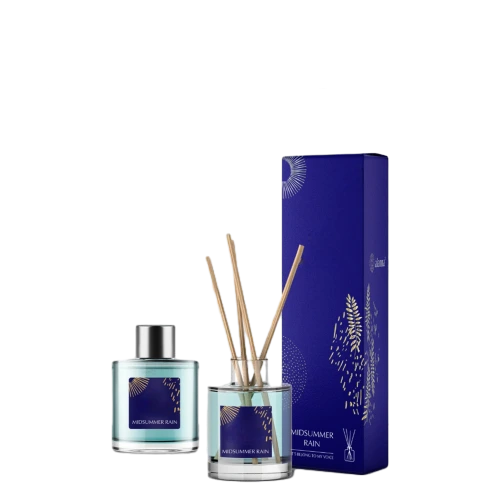
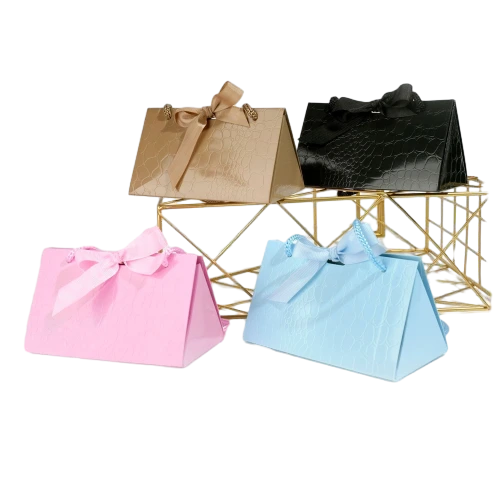
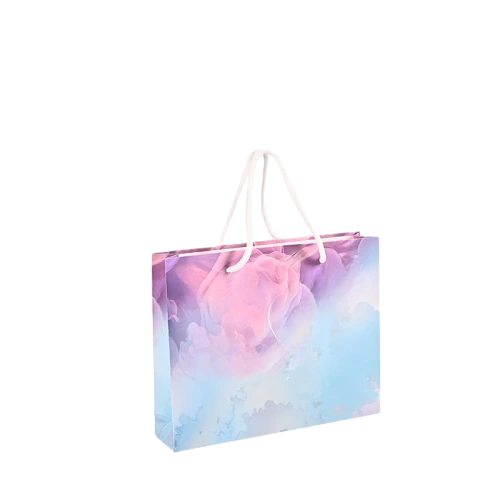
Understanding the different forms of embossing helps buyers match the right type to their application needs.
-
Blind Embossing
Blind embossing creates a raised image without ink or foil. It relies purely on texture and light reflection. Ideal for elegant, understated designs such as wedding invitations or luxury skincare boxes.
Pros: Clean, minimalist look; eco-friendly (no added coatings); enhances tactile feel.
Cons: Less visible under poor lighting; may not suit complex artwork.
-
Registered Embossing
This variant aligns the embossed pattern precisely with printed elements. Used when logo placement must match across multiple units.
Pros: High accuracy; professional finish; supports branding consistency.
Cons: Higher setup costs; requires precise calibration.
-
Combination Embossing
Combines embossing with foil stamping or die-cutting. Often seen in wine labels or electronics packaging.
Pros: Maximum visual impact; versatile design options.
Cons: Expensive; longer production time; potential alignment issues.
-
Sculptured (Deep) Embossing
Uses multi-level dies to create 3D relief effects, mimicking-like depth.
Pros: Dramatic appearance; excellent for artistic packaging.
Cons: Limited to thick substrates; risk of tearing thin materials.
-
Past-Embossing
A newer technique allowing embossing after printing without damaging ink layers.
Pros: Preserves print quality; suitable for digital prints.
Cons: Requires specialized equipment; not widely available.
Key Features and Specifications to Evaluate
To determine what to look for in packaging embossed products, consider these technical and functional criteria:
Material Thickness (Caliper):
Measured in points or microns. Thicker stocks (e.g., 24pt–32pt board) hold embossed detail better but increase shipping weight.
Die Quality:
Steel rule or CNC-machined dies affect sharpness. Request sample proofs to evaluate edge crispness.
Depth of Emboss:
Typically ranges from 0.1mm to 0.5mm. Deeper isn’t always better—it can weaken structural integrity.
Registration Tolerance: Look for ±0.25mm accuracy if combining with print. Poor registration leads to misaligned logos.
Surface Coating Compatibility: UV coatings may crack under pressure; matte aqueous coatings are safer.
Repeat Pattern Precision: Critical for continuous designs (e.g., borders). Ask about machine calibration frequency.
Also verify whether the embossing is single- or double-sided. Double-sided embossing increases cost but ensures uniformity on both sides of translucent materials.
Advantages
Enhanced Brand Perception: Studies show textured packaging increases perceived value by up to 30% compared to flat designs .
No Additional Ink Required: Blind embossing reduces material usage and environmental impact.
Differentiation: Stands out on shelves and in photos.
Security Feature: Unique textures are hard to counterfeit, useful for pharmaceuticals or luxury goods.
Disadvantages
Higher Production Cost: Dies and setup fees add $200–$800 per design.
Longer Lead Times: Custom die creation takes 7–14 days.
Limited Flexibility: Once dies are made, changing design requires new tooling.
Not Suitable for All Materials: Thin plastics or low-density boards may tear or distort.
Embossed packaging is ideal for limited editions, gift items, or premium positioning. It’s less suited for mass-market, low-margin products where speed and cost dominate.
How to Choose Packaging Embossed
Follow this step-by-step guide when evaluating options:
Define Your Objective: Are you aiming for elegance, protection, or brand recognition? Match the embossing style accordingly.
Select the Right Substrate: Use rigid paperboard for deep embossing; flexible films work only for shallow textures.
Request Physical Samples: Digital mockups don’t convey texture. Insist on actual samples under natural light.
Check Alignment Accuracy: Print and emboss should align within tight tolerances. Misalignment suggests poor press control.
Evaluate Durability: Run rub tests or fold stress checks to ensure embossed areas don’t crack.
Review Minimum Order Quantities (MOQs): Many suppliers require 1,000+ units due to die setup costs.
Verify Environmental Claims: Ask for FSC certification or recyclability data if sustainability is a priority.
Red flags to avoid:
Vague descriptions like “textured finish” without specifying emboss depth or method.
Suppliers who won’t provide die proofing or sample runs.
Unrealistically low prices—likely indicates outsourced quality or reused worn dies.
Price & Market Insights
FAQs
What is the difference between embossed and debossed packaging?
Embossed packaging features raised designs, while debossed has indented ones. Both use similar die processes but produce opposite tactile effects.
Can I recycle embossed packaging?
Yes, if made from uncoated or aqueously coated paperboard. However, embossed materials with plastic lamination or foil layers may not be recyclable in standard streams.
How deep can embossing go without damaging the package?
Typically up to 0.5mm on thick board. Exceeding recommended depth risks weakening structural strength, especially near edges or folds.
Is embossing cost-effective for small businesses?
With digital embossing and low-MOQ printers, yes. Expect higher per-unit costs but lower upfront tooling fees compared to traditional methods.
Does embossing work on plastic packaging?
Limited success. Rigid plastics can be thermo-embossed, but flexible films rarely hold defined textures. Test samples first.