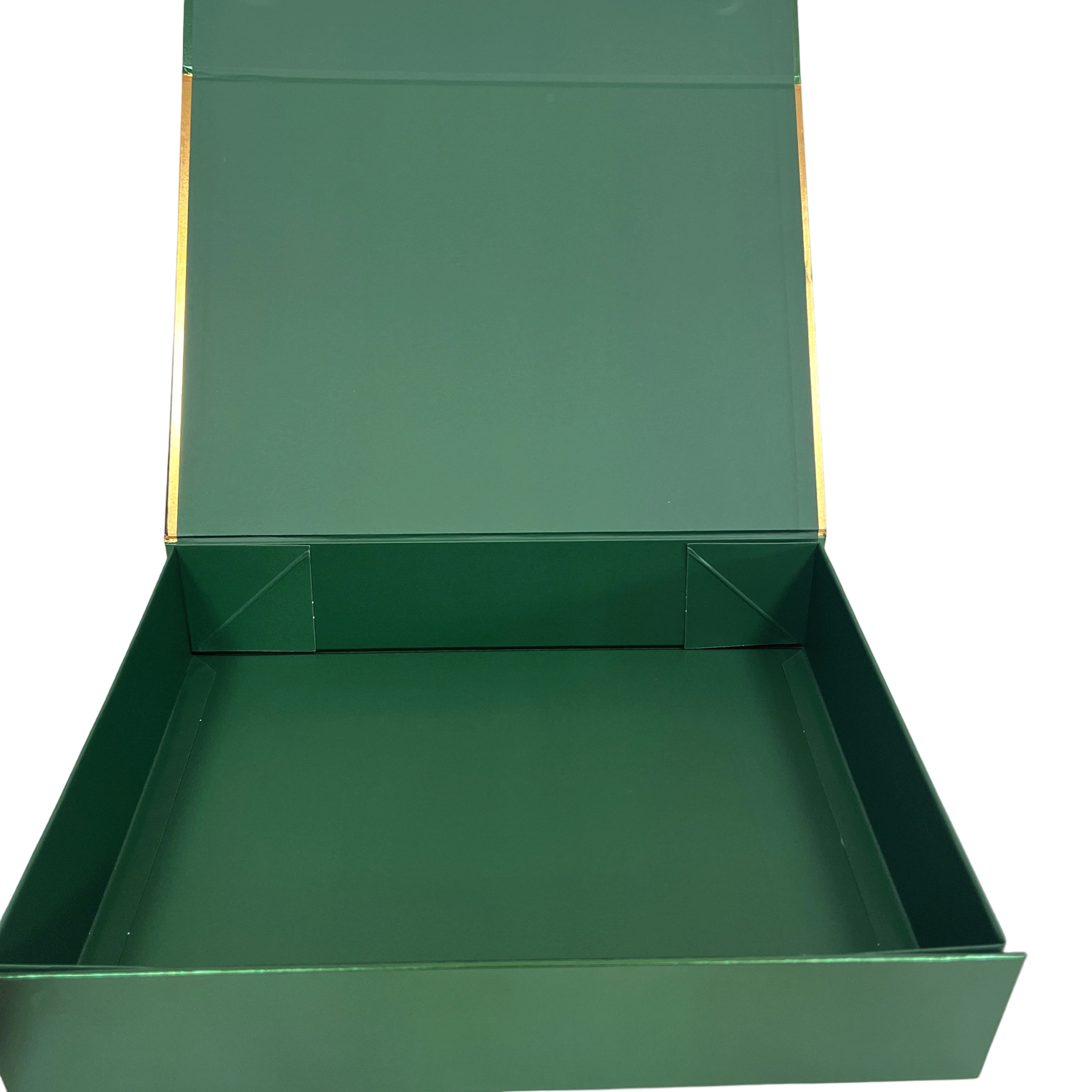
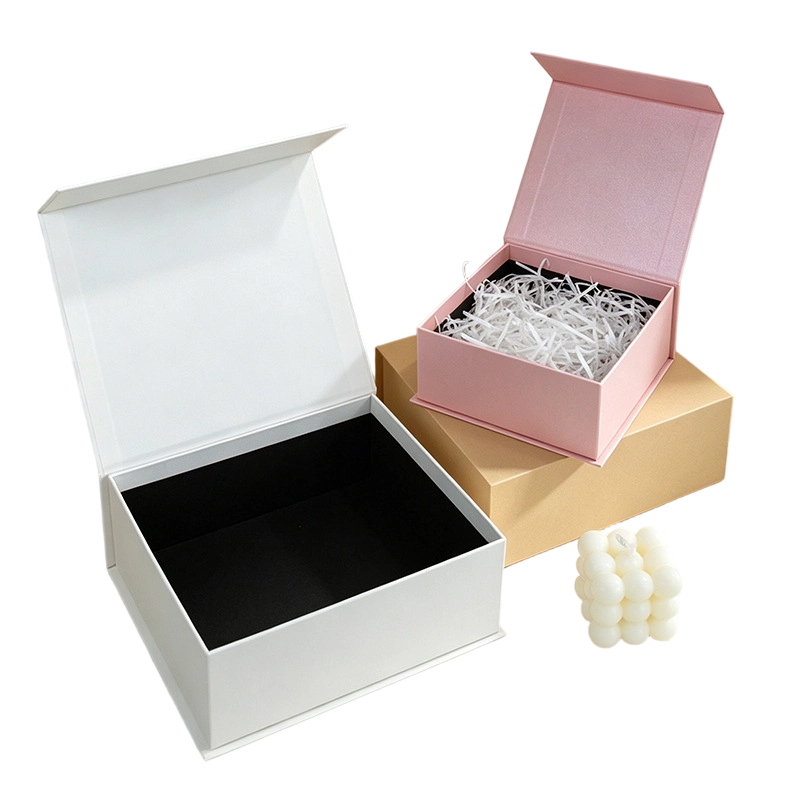
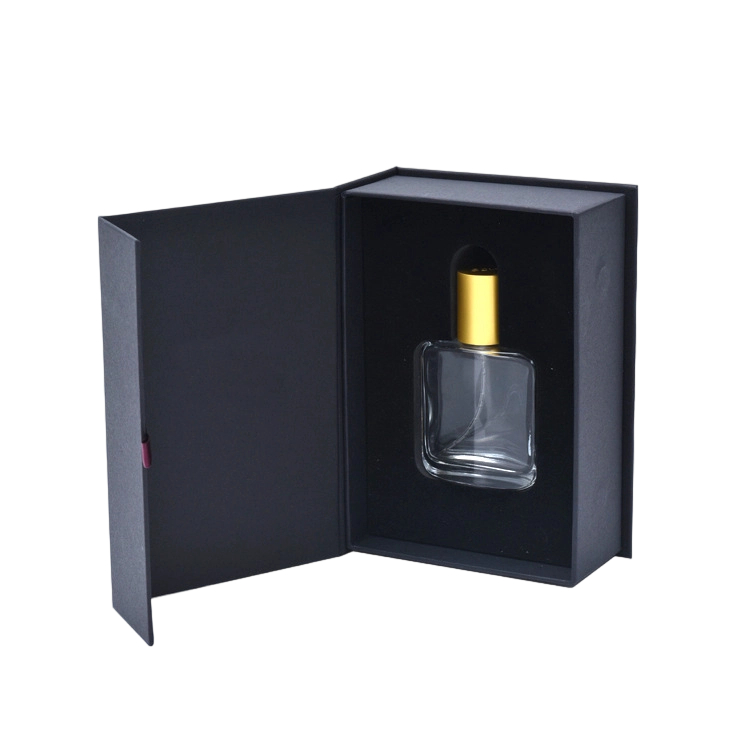
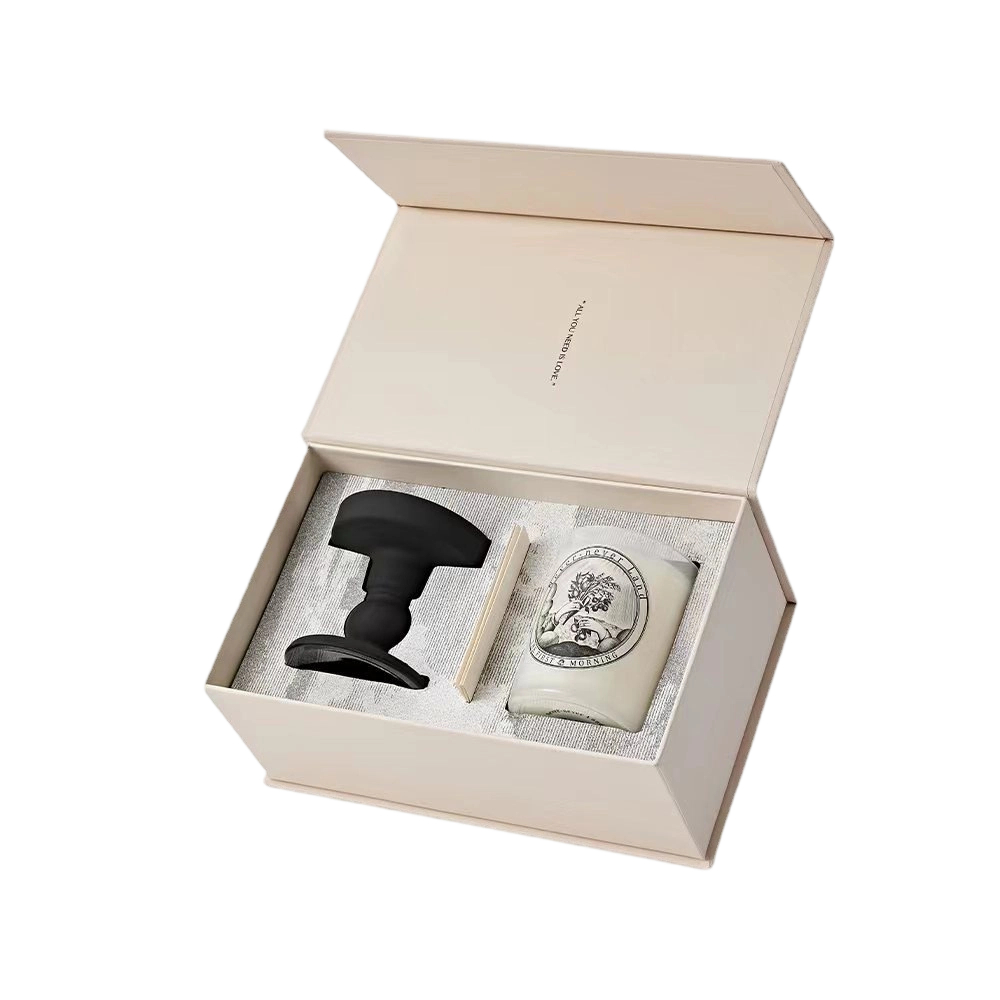
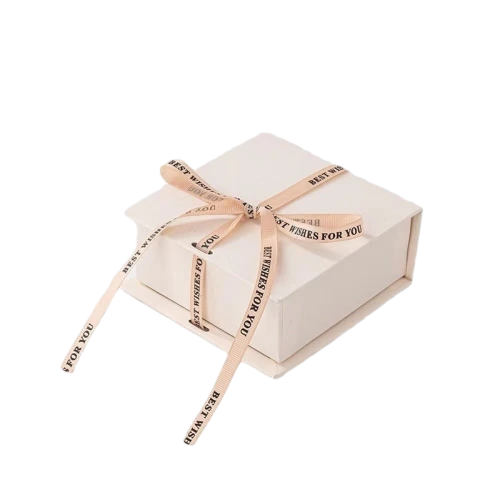
Luxury apparel and fashion rigid boxes have become the preferred packaging solution for brands seeking to elevate product value, create memorable unboxing experiences, and showcase professionalism in every detail.
Beyond protecting garments during storage and transportation, custom rigid gift boxes serve as a powerful branding tool.
What are luxury apparel and fashion rigid boxes?
Structure of luxury clothing rigid boxes
Inside: Rigid board core (chipboard or greyboard)
Ouside: Outer wrapping paper
Add on: Apparel tissue paper
Key benefits of rigid boxes for the fashion industry
Popular types of rigid apparel boxes
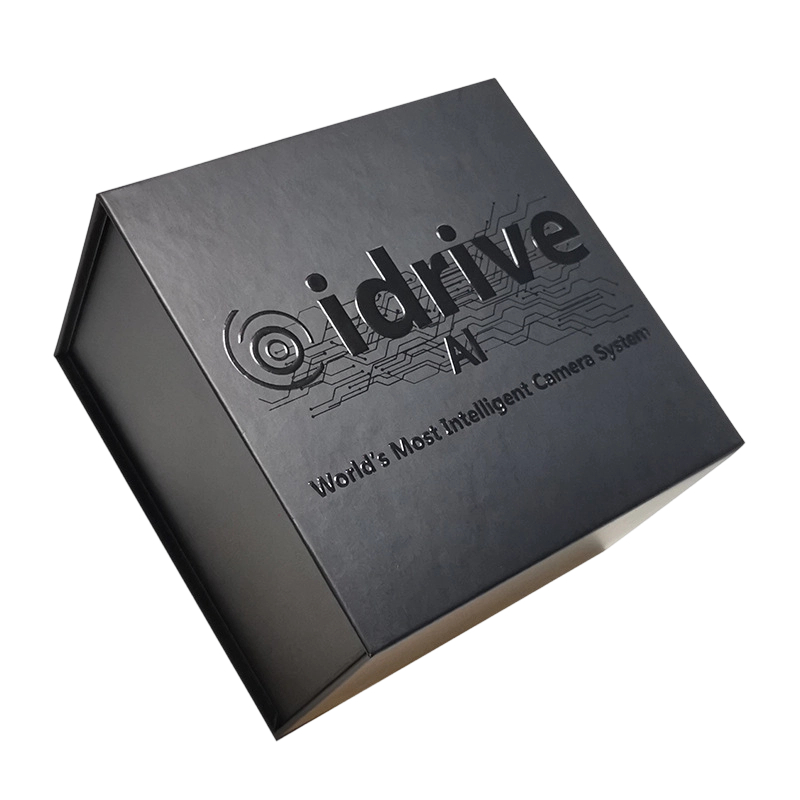
Magnetic closure rigid boxes
Two-piece sturdy gift boxes (Lid and base style)
Drawer style rigid apparel box
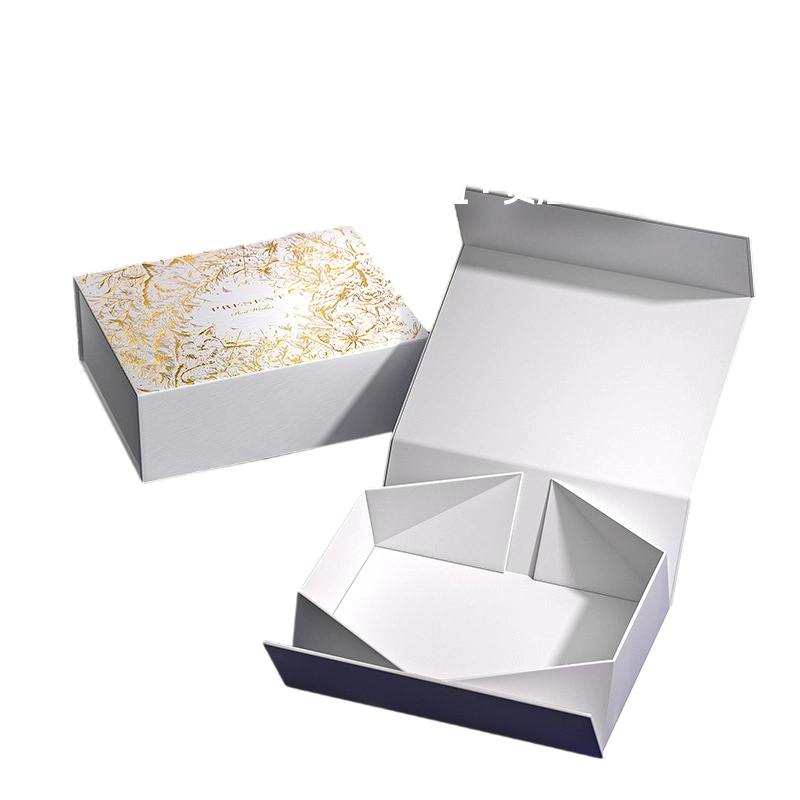
Collapsible rigid apparel boxes
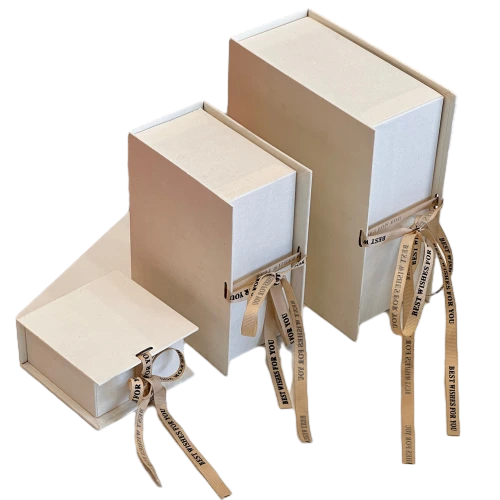
Common sizes for apparel rigid boxes
Why are rigid boxes preferred by luxury fashion brands?
Future designs trends of rigid fashion boxes
FAQs about luxury apparel rigid boxes

As sustainability becomes a key purchasing factor, packaging is no longer just a protective layer, but becomes an essential part of a brand’s identity. For that reason, rigid boxes made from eco-friendly materials are increasingly chosen by luxury brands.
Whether you’re a small or large brand, a manufacturer, retailer, or end consumer, today’s article will cover all the useful information to help choose the right vegan rigid box packaging.
Custom rigid gift boxes do more than protect products, they enhance brand value and create a memorable unboxing experience.
Understanding rigid box packaging structure, materials, and production process helps businesses choose the right luxury rigid boxes solution for both performance and visual impact.
What are custom rigid gift boxes?
Why choose rigid boxes packaing?
The standard structure of rigid box
Paper materials
Modern offset printing for rigid setup boxes
Surface finishing techniques
Custom inserts
Popular custom rigid gift boxes in 2026
A reliable manufacturer of custom luxury rigid boxes
Frequently asked questions of rigid setup boxes
When investing in manufacturing sturdy gift boxes, the paper material directly determines durability, aesthetics, and the ability to print and reproduce the brand’s image.
In this guide, explores all sides of paper materials for rigid box packaging such as:
The most commonly used paper materials for premium rigid setup boxes
Explains the characteristics of each paper option
Recommends suitable materials for different industries
Shares practical tips to help businesses achieve the ideal balance between quality and production cost
In rigid boxes production, many businesses focus on box style, structure, and finishing techniques while overlooking one essential factor: paper weight. In reality, paper weight directly affects a sturdy gift box’s strength, print quality, and overall production cost.
Choosing the right paper weight not only provides better product protection but also helps optimize your budget while ensuring an attractive finished appearance.
This guide explains what paper weight is, the most common GSM ranges, and how to select the right option for your rigid box packaging projects.
Premium rigid box packaging plays a vital role in enhancing the perceived value of a product, especially for gifts during holidays, Christmas, corporate events, and other special occasions. Beyond protecting the product, premium packaging must also deliver a sophisticated appearance that reflects the brand’s quality.
So, what makes rigid boxes stand out, and why are premium brands willing to invest in them instead of conventional folding cartons?
In this article, explores the key advantages of rigid box packaging and the most popular styles of custom rigid gift boxes available.
When developing custom rigid boxes, many businesses focus on the box structure and finishing techniques while overlooking one essential component: the insert trays. This internal element keeps the product securely in place, minimizes impact during transportation, and creates a premium unboxing experience that enhances brand perception.
Every product requires a different insert in terms of material, structure, and protective performance. Therefore, choosing the right trays not only improves product protection but also optimizes production costs while ensuring the insert complements the overall design of the custom luxury rigid box.
Nowadays, creating a luxury box involves investing in sophisticated finishing techniques to strengthen product appeal, enhance perceived value, and differentiate their products in increasingly competitive markets.
So, which finishing effects are most commonly used for luxury boxes? Which techniques best suit different products, and how can they be combined to achieve an elegant appearance without unnecessary production costs?
This guide will help brands choose the right solutions for their luxury box packaging.
Foil Stamping vs Embossing vs Debossing vs UV: Which Packaging Finish Fits Your Brand?
When selecting packaging embossed solutions for your product line, the best choice depends on material quality, design clarity, and intended use. High-quality embossed packaging enhances brand perception by adding tactile elegance and visual depth. For those asking how to choose packaging embossed effectively, prioritize materials with consistent texture reproduction, durable substrates like paperboard or foil-laminated stock, and alignment precision in pattern registration . Avoid overly soft substrates that compromise structural integrity. If sustainability matters, opt for recyclable embossed papers with water-based coatings. Always request physical samples before bulk ordering to assess real-world performance.
Hot stamping, also known as foil stamping, is a popular decorative printing process that transfers metallic or colored foil onto paper, cardboard, rigid boxes, notebooks and other substrate surfaces.
A heated metal die is pressed against the foil sheet under controlled temperature and pressure. The heat melts the adhesive layer of the foil, so the decorative foil layer sticks to the target material while the leftover carrier film peels away.
This craft creates shiny, eye‑catching metallic effects including gold, silver, bronze and custom matte colors. It delivers sharp, fine‑line patterns, logos and text. Hot stamping does not use ink, so it performs well on special coated papers and is widely used for luxury packaging, gift boxes, book covers and brand promotional products.
Common optional variations include matte hot stamping, holographic foil stamping and multi‑color hot stamping. It can be combined with embossing for more three‑dimensional visual and tactile effects.
Luxury print finishes have long been associated with elegance and impact. Gleaming foils, rich embossing, high-gloss coatings, and specialty inks have traditionally signaled quality and prestige. At the same time, these embellishments have often been viewed as environmentally problematic. Foil stamping was assumed to contaminate recycling streams, UV coatings were seen as non-degradable, and specialty inks were sometimes linked to harsh chemistry.
The print industry is now actively challenging those assumptions. The conversation has shifted from whether luxury and sustainability can coexist to how they can reinforce one another. Advances in materials, chemistry, equipment, and certification standards are proving that premium finishes can meet sustainability goals without sacrificing visual or tactile impact. Luxury is being redefined through smarter, cleaner, and more responsible finishing choices.
Contact Us
Products
Blogs
Ready To Get Started for Custom Printing?
No need to wait, just tell us what you need today to make your idea become real.
You can get a price of this model or send us any question to get any information you would like to know, we will reply to you soonest.